
For many health-conscious individuals, the daily ritual of swallowing a multivitamin feels like a proactive step toward wellness. It is a cornerstone of modern preventive health, designed to bridge the nutritional gaps left by a busy lifestyle or a diet that lacks variety. However, a growing body of nutritional science suggests that the presence of a nutrient in a pill does not necessarily equate to its presence in your bloodstream.
The critical distinction lies in bioavailability—the degree and rate at which a nutrient is absorbed and utilized by the body. If your current supplement regimen relies heavily on synthetic isolates rather than whole-food sources, you may be consuming expensive vitamins that your body simply cannot process.
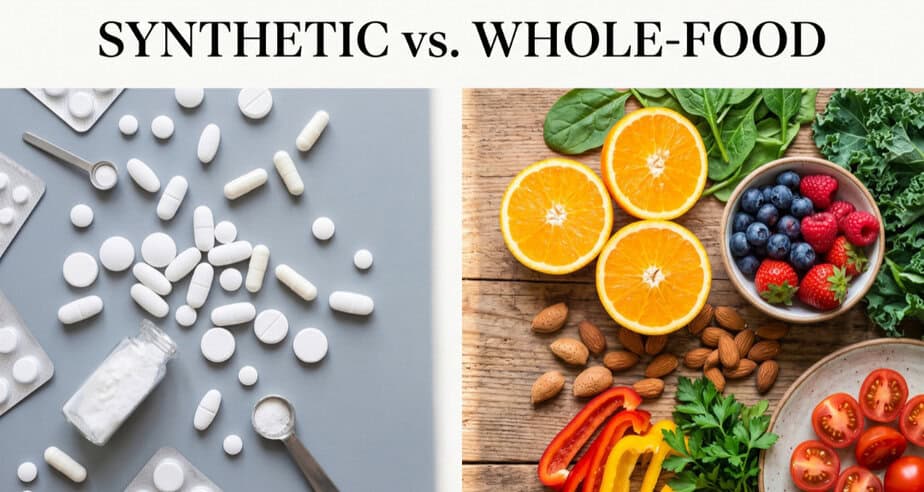
The Bioavailability Gap: Synthetic vs. Whole Food
The fundamental issue with many standard multivitamins is the form in which the nutrients are delivered. Most mass-produced supplements use synthetic versions of vitamins and minerals. While these are often cheaper to manufacture and more stable on a shelf, they lack the complex molecular structure found in nature.
The Role of Co-factors
In whole foods, vitamins do not exist in isolation. They are packaged with enzymes, phytonutrients, and secondary compounds that act as “co-factors.” These co-factors signal the digestive system to prepare for absorption. For example, when you consume Vitamin C from an orange, the presence of various flavonoids helps the body utilize that vitamin more effectively.
When you take a synthetic ascorbic acid tablet, that natural biological integration is missing. The body may recognize the nutrient, but without the accompanying food matrix, the absorption rate often drops significantly. This results in a “pass-through” effect, where the excess nutrients are simply excreted, providing little to no benefit to your cellular health.
Mineral Absorption and Competition
Bioavailability is also hampered by how minerals interact within the digestive tract. Many multivitamins combine high doses of calcium with magnesium or iron. In a synthetic, concentrated form, these minerals can compete for the same absorption pathways. When taken in high doses, isolated pills may actually inhibit each other’s effectiveness, leading to a nutritional stalemate where you are taking plenty of minerals but absorbing very few.
Assessing Your Supplement Efficiency
To determine if your current regimen is providing a tangible return on your investment, you must look beyond the “Daily Value” percentage listed on the label. A high percentage of a nutrient is meaningless if the bioavailability is low.
Consider these three indicators that your current multivitamins might be failing you:
- Persistent Fatigue Despite Supplementation: If you are taking high-dose B-complex vitamins but still struggle with midday energy crashes, your body may not be converting those synthetic B vitamins into their active, usable forms (such as methylcobalamin for B12).
- Digestive Sensitivity: Synthetic multivitamins, particularly those with high concentrations of zinc or iron, are notorious for causing nausea or stomach upset. This is often a sign that the concentrated, isolated nutrients are irritating the digestive lining because they lack the buffering capacity of whole food.
- The “Expensive Urine” Phenomenon: Water-soluble vitamins, such as Vitamin C and the B-vitamin family, are highly prone to being flushed out of the system if they are not absorbed efficiently. If you notice bright yellow urine shortly after taking a supplement, it is a clear indicator that your body is discarding the excess because it cannot process the synthetic load.
Transitioning to Nutrient-Dense Support
The goal of nutritional supplementation should not be to replace meals, but to provide the most efficient biological support possible. Moving away from synthetic isolates toward whole-food-based nutrition can significantly improve how your body responds to daily intake.
When looking for ways to optimize your nutritional profile, many people turn to specialized approaches that prioritize how nutrients were originally intended to be consumed. For those seeking to bridge the gap between a standard diet and optimal cellular health, utilizing a system like Balance of Nature can provide a more streamlined way to ensure those essential micronutrients actually reach their destination.
Moving Toward Whole-Food Integration
If you decide to overhaul your supplement strategy, focus on these three pillars:
- Prioritize Active Forms: Look for labels that specify “methylated” vitamins. These are already in the form the body uses, bypassing the need for complex metabolic conversions.
- Focus on Food Matrices: Whenever possible, prioritize nutrients that come from concentrated plant or animal sources rather than laboratory-created powders.
- Timing and Synergy: Align your intake with your digestive cycle. Some nutrients, like fat-soluble vitamins (A, D, E, and K), require dietary fats to be absorbed, meaning they should be taken with a meal rather than on an empty stomach.
Ultimately, the effectiveness of your wellness routine is measured by how your body feels, not by the number of capsules you swallow each morning. By focusing on bioavailability, you ensure that your commitment to health actually translates into physiological results.
Read next: Vitamin K2: Health Benefits, Functions, Food Sources