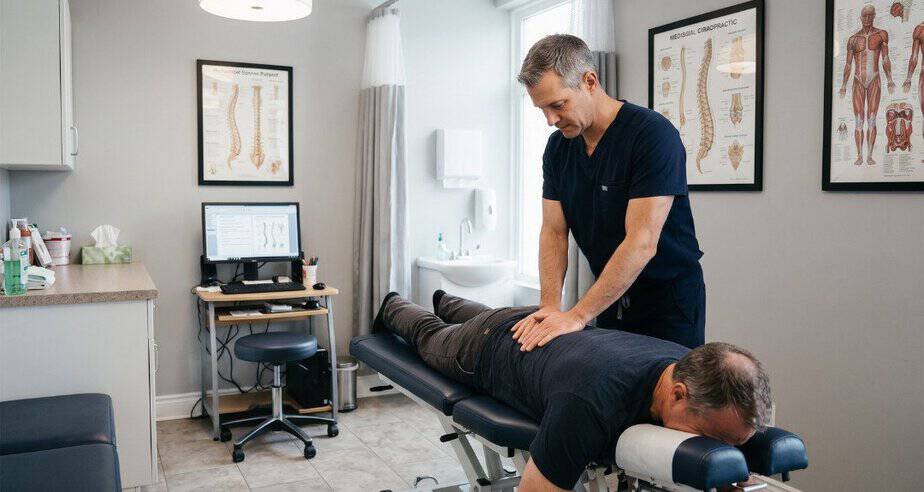
Back pain does not always arrive as a dramatic injury. It can build after long hours at a desk, a weekend yard project, a change in exercise routine, or the repeated lifting that comes with work and family life. When discomfort starts affecting sleep, walking, training, or concentration, the right care should address more than the painful spot.
For residents looking for a chiropractor St George Utah, the practical question is not simply whether treatment feels good for an hour. It is whether the evaluation explains what may be contributing to the problem and whether the care plan supports safer movement in daily life.
Start With the Problem You Need to Solve
A useful appointment begins with context. Back pain connected to a long commute may need a different discussion than soreness after a fall, a new lifting program, or a season of recreational activity. Share when the symptoms started, what makes them worse, what reduces them, and whether they interfere with ordinary tasks.
Look Beyond Temporary Relief
Hands-on care may be one part of a broader plan that includes mobility work, strength exercises, posture changes, or guidance on returning to activity. The goal is not to keep you dependent on appointments. The goal is to help you understand your movement limitations and build habits that reduce repeat flare-ups.
That distinction matters for people in St. George who want to stay active through hot summers, hiking seasons, golf outings, cycling, or physically demanding work. A plan that ignores the activities you actually perform is difficult to follow and unlikely to produce useful long-term progress.
What a Practical Care Plan Should Include
A strong first visit should leave you with a clearer picture of the next step. That may include a physical assessment, a discussion of relevant health history, and a plain-language explanation of which movements or activities may be aggravating the problem.
Ask how progress will be measured. Useful markers might include being able to sit through a workday, walk a certain distance, sleep without repositioning, lift a child, or return gradually to exercise. Specific measures make it easier to tell whether care is helping rather than relying only on how you feel immediately after an appointment.
The plan should also account for your schedule and budget. If visits, home exercises, or activity restrictions are unrealistic, say so early. A simpler plan that you can follow consistently is more valuable than an ambitious routine that disappears after the first busy week.
Know When the Situation Needs More Evaluation
Not every source of back or joint pain should be handled with routine hands-on care alone. Symptoms that follow significant trauma, rapidly worsen, or occur with unusual weakness, numbness, fever, or loss of bladder or bowel control require prompt medical evaluation. A responsible provider should recognize when another clinician, imaging, or urgent care is more appropriate.
This is also why clear communication matters. Tell the provider about previous injuries, surgeries, medications, ongoing conditions, and any changes in sensation or strength. Those details can affect which techniques and exercises are suitable.

Choosing Care You Can Use in Real Life
Before booking, consider whether the practice serves the type of patient you are: an office worker trying to move comfortably, an older adult protecting independence, a parent managing recurring strain, or an active resident preparing for a demanding season. Look for an approach that connects treatment to those goals instead of presenting the same routine to everyone.
You should also understand what happens after the appointment. Will you receive movement guidance? How often will the plan be reviewed? What should you do if symptoms change? These questions help turn a single visit into a more coordinated recovery process.
Back pain can make ordinary decisions feel complicated, but choosing care does not have to be. Start with a careful evaluation, define the activities you want to regain, and select a plan that measures progress in terms you can feel in everyday life.
Read next: 9 Best Essential Oils For Back Pain Relief
References:
Hayden, J. A., Ellis, J., Ogilvie, R., Malmivaara, A., & van Tulder, M. W. (2021). Exercise therapy for chronic low back pain. Cochrane Database of Systematic Reviews, 2021(9), CD009790. https://doi.org/10.1002/14651858.CD009790.pub2
National Institute for Health and Care Excellence. (2016, updated 2026). Low back pain and sciatica in over 16s: Assessment and management (NICE Guideline NG59). https://www.nice.org.uk/guidance/ng59
Owen, P. J., Miller, C. T., Mundell, N. L., Verswijveren, S. J. J. M., Tagliaferri, S. D., Brisby, H., Bowe, S. J., & Belavy, D. L. (2020). Which specific modes of exercise training are most effective for treating low back pain? Network meta-analysis. British Journal of Sports Medicine, 54(21), 1279–1287. https://doi.org/10.1136/bjsports-2019-100886
Rubinstein, S. M., de Zoete, A., van Middelkoop, M., Assendelft, W. J. J., de Boer, M. R., & van Tulder, M. W. (2019). Benefits and harms of spinal manipulative therapy for the treatment of chronic low back pain: Systematic review and meta-analysis of randomised controlled trials. BMJ, 364, l689. https://doi.org/10.1136/bmj.l689