The Rise of Manual Therapies in Modern Health
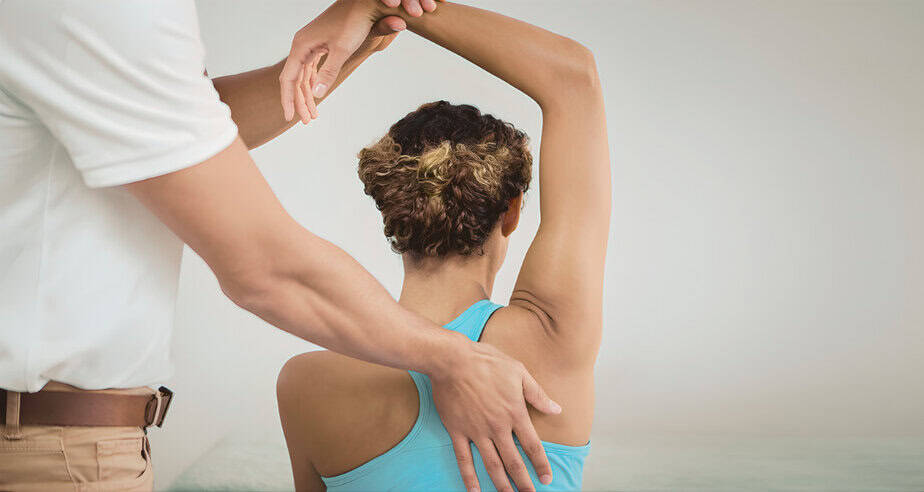
Manual therapies stopped being the alternative and started becoming the parallel track to conventional medicine. Clinicians who once dismissed them now cite peer-reviewed trials showing measurable benefits. Patient demand and mounting data rebuilt the credibility of skilled touch as a legitimate intervention. Osteopathic manipulation therapy has emerged from the fringe to occupy a place in integrated musculoskeletal care.
Biomechanics Behind Osteopathic Manipulation
OMT approaches operate on mechanical and neurological principles that reward precision. Mobilizing a joint changes how surrounding tissues load and bear force. Strategic pressure on soft tissue alters fascia glide, influencing vascular supply and neural firing thresholds. This mix of mechanical leverage and neurovascular modulation allows targeted changes in muscle tone and joint dynamics without collateral strain.
Targeting Common Pain Patterns
Lower-back discomfort, neck tension, headache syndromes, and stubborn joint stiffness are frequent visitors to the clinic. Skilled adjustments recalibrate sensorimotor feedback loops, retraining how the body registers and responds to stimulus. In one study, patients with chronic neck pain saw function scores rise by over 30% after a brief OMT regimen. Such interventions can disarm entrenched pain cycles while restoring movement patterns.
Core Hands-On Techniques Explained
Myofascial release works where fascia binds and resists, easing its tensile grip to normalize tissue glide. Joint articulation invites motion back into stubborn structures through gentle, repetitive engagement that teaches the body it is safe to move. Muscle-energy techniques enlist the patient’s own contraction to release targeted musculature without forceful thrusts. Example: a middle-aged office worker with shoulder restriction regained full abduction after three sessions combining myofascial release for scapular fascia, articulation for the glenohumeral joint, and muscle-energy work for the rotator cuff. The sequence mattered. So did the patience in application.
Complementary Self-Care Strategies
Between sessions, poor posture and static habits undo hard-earned gains. Midday spinal extensions at the desk, micro-breaks for shoulder mobility, and hamstring stretches before bed help maintain work done in the clinic. Adjusting monitor height or chair depth can spare the cervical spine from constant strain. Results stick when patient diligence matches practitioner skill, forming a feedback loop of improvement.
Credentials and Clinic Selection Tips
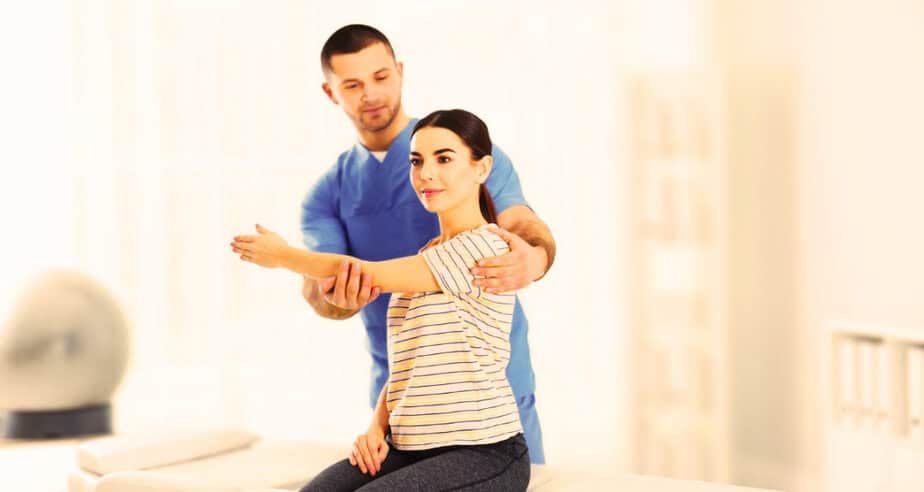
Qualified providers carry DO licensure with focused OMT credentials and a record of continuing education. They examine with their hands, not just their eyes. Be wary of anyone who prescribes generic exercise sheets without palpating the problem. Verifying credentials through recognized professional registries eliminates guesswork and weeds out pretenders.
Accessing Specialized OMT Resources
Reputable clinics are often listed in professional association directories or vetted healthcare networks. For readers ready to investigate session availability and specifics, osteopathic manipulation therapy St George offers a direct starting point. It streamlines the search from curiosity to action without wading through endless generic adverts.
Patient Outcomes and Satisfaction Trends
Registry data consistently show reductions in pain scores, sometimes exceeding a two-point drop on standard scales after targeted OMT. Mobility gains often follow within weeks, reflected in improved gait metrics and grip strength. Surveys track not only symptom change but satisfaction rates climbing above 80%. Variability exists, yet the trajectory for many is toward steady, measurable progress.
Sustaining Mobility: Next-Step Considerations
Book the assessment. Clarify the long-term care map. Track results in concrete metrics rather than vague impressions. Pair ongoing manual work with emerging research on load management, neuroplasticity, and fascial science. Hands-on medicine is no longer static tradition. It is an evolving craft that rewards informed patients willing to engage in their own recovery.
Read next: Quick Leg Cramp Relief: Proven Methods That Work