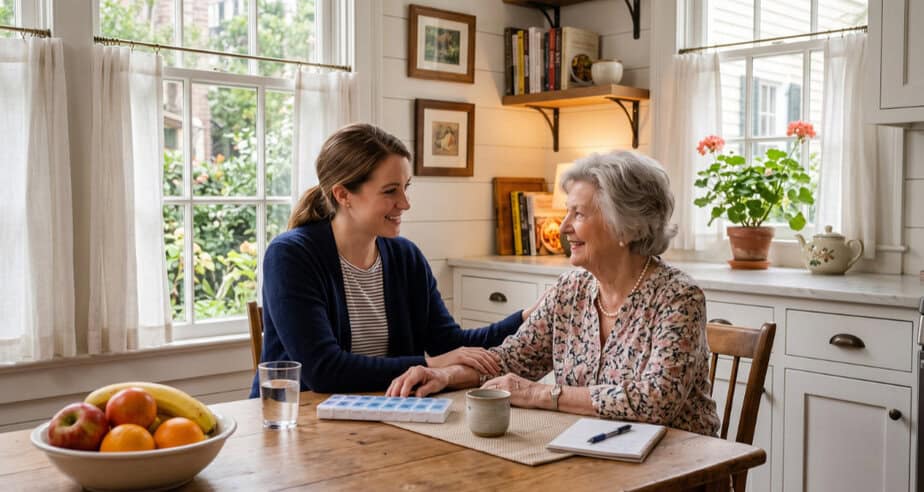
Aging at home often starts as a simple family promise: keep Mom comfortable, help Dad stay independent, and avoid moving too quickly into a facility. In Charleston, that promise can feel especially important. Many older adults have deep ties to their neighborhoods, churches, doctors, routines, and front porches. Leaving home is not just a housing change. It can feel like losing part of a life they built.
But independence needs support as needs change. A parent who handled meals, medications, laundry, and appointments last year may struggle after a fall, hospital stay, heat wave, or diagnosis. Families often wait until a crisis makes the decision for them. A better approach is to notice the small signs early and add help before stress becomes a risk.
The Quiet Signs That Home Is Getting Harder
Most families do not see one dramatic moment. They see a pattern.
The refrigerator has less fresh food. Mail piles up on the counter. A normally careful parent starts missing medication doses or repeating questions about appointments. Clothes stay in the dryer for days. The house looks mostly fine, but the daily rhythm has changed.
These details matter because they often point to more than forgetfulness or fatigue. They may signal pain, weakness, mild cognitive decline, depression, poor sleep, or fear of falling. An older adult may also hide the problem because they do not want to worry their children or lose control over decisions.
For adult children, the stake is real. Without the right support, a missed dose can lead to an emergency room visit. A fall in the bathroom can mean surgery, rehab, and thousands of dollars in unexpected costs. Caregiver burnout can strain marriages, work schedules, and sibling relationships.
Charleston Conditions Can Add Pressure
Local context matters. Charleston’s climate and layout can make aging at home more complicated than it looks from the outside.
Summer heat and humidity can make dehydration more likely, especially for seniors taking blood pressure medication or diuretics. Hurricane season brings another layer of planning: transportation, backup medications, food, batteries, medical equipment, and communication if power goes out. Even routine errands can become harder during heavy rain, flooding, or high-traffic tourist periods.
For families comparing care options, home care Charleston SC is often part of a larger conversation about keeping an older adult safe, steady, and connected without removing them from familiar surroundings too soon.
The goal is not to take over a parent’s life. The goal is to reduce the weak points in the week.

What Support Can Look Like at Home
Care at home does not always mean full-time help. For many families, a few reliable visits each week make the biggest difference.
Help With Daily Routines
Support may include meal preparation, light housekeeping, laundry, bathing reminders, dressing assistance, or help getting safely from one room to another. These tasks sound ordinary, but they are often the difference between a senior feeling settled or overwhelmed.
Consistent help can also reveal changes sooner. If a caregiver notices that a client is eating less, sleeping more, bruising easily, or becoming confused, the family can respond before the issue grows.
Safer Medication and Appointment Habits
Medication mistakes are common when prescriptions change after a hospital visit or specialist appointment. A home support routine can help seniors remember what to take and when, while also keeping family members aware of refill needs and upcoming visits.
Transportation support can also protect health. Missed medical appointments may seem small, but repeated delays can worsen chronic conditions like diabetes, heart disease, arthritis, or respiratory illness.
Companionship That Protects Well-Being
Loneliness is not just emotional. It affects appetite, sleep, motivation, and physical activity. A familiar person arriving on schedule can give an older adult something to look forward to and can encourage simple movement, conversation, hobbies, or a short walk when weather allows.
For families who live across town or out of state, this kind of presence brings peace of mind.
The Right Time to Start Is Before the Breaking Point
Many families hesitate because they think accepting help means admitting decline. In reality, early support can preserve independence. A senior who receives help with meals, errands, mobility, and household tasks may be able to remain at home longer and with fewer emergencies.
The conversation works best when it stays practical. Instead of saying, “You can’t manage anymore,” try, “Let’s make the week easier, so you have more energy for the things you enjoy.” That framing respects the older adult while still addressing real concerns.
Aging at home in Charleston can be safe, dignified, and realistic when families plan ahead. The right support protects the parent, relieves the caregiver, and keeps daily life from turning into a series of avoidable crises.
Read next: Caring for Aging Parents at Home: 8 Top Considerations