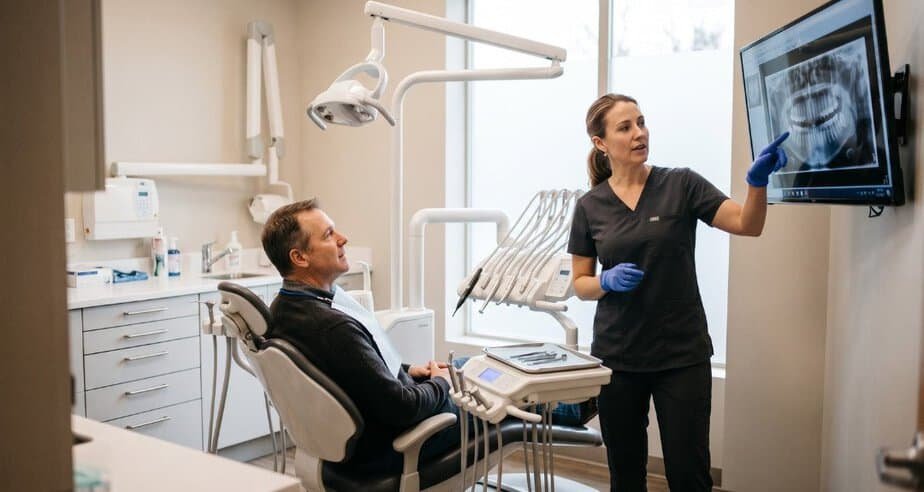
Your dental needs can change faster than your appointment routine. A practice that once handled cleanings and the occasional filling may no longer be the right fit after a new diagnosis, a growing family, dental anxiety, cosmetic concerns, or damage caused by aging. The warning signs are often easy to overlook because they appear gradually.
Choosing a practice that can adapt to those changes may help you avoid rushed referrals, delayed treatment, and unnecessary out-of-pocket costs. For patients in St. George and surrounding communities, a full-service office such as Premier Dental can provide a broader starting point for evaluating ongoing oral health needs.
You Keep Getting Referred Elsewhere
Referrals are sometimes necessary, especially for highly complex procedures. However, frequent referrals for routine or closely related concerns may indicate that your current practice has limited capabilities.
For example, you may need to visit one office for an exam, another for periodontal treatment, and a third for a damaged tooth or implant consultation. Each transition can mean repeating your medical history, transferring records, taking new images, and waiting for another opening in the schedule.
A more adaptable practice may offer several services under one roof, including:
- Preventive exams and digital imaging
- Periodontal care for gum disease
- Root canal treatment and tooth extractions
- Crowns, bridges, and dental implants
- Cosmetic services such as whitening or veneers
- Emergency dental appointments
The goal is not to find a practice that performs every possible procedure. It is to find one that can manage the majority of your likely needs and coordinate specialized care when outside treatment is genuinely appropriate.
Your Dentist Treats Symptoms but Not the Bigger Picture
A recurring filling, chipped tooth, or sensitive area may be treated successfully in the short term while the cause remains unaddressed. If the same problem keeps returning, you should expect a conversation about contributing factors and long-term options.
Those factors might include teeth grinding, an uneven bite, gum disease, acidic foods, poor-fitting restorations, or changes in daily habits. A practice focused on comprehensive care should review patterns in your oral health instead of treating every visit as an isolated repair.
Ask whether your dental team explains:
- What caused the current problem
- How treatment may affect nearby teeth
- What could happen if you delay care
- Which options preserve as much natural tooth structure as possible
- How often you should return for monitoring
Clear explanations are especially important when the recommended treatment involves a substantial cost. A crown, implant, periodontal procedure, or replacement restoration deserves more than a quick estimate and a rushed decision.
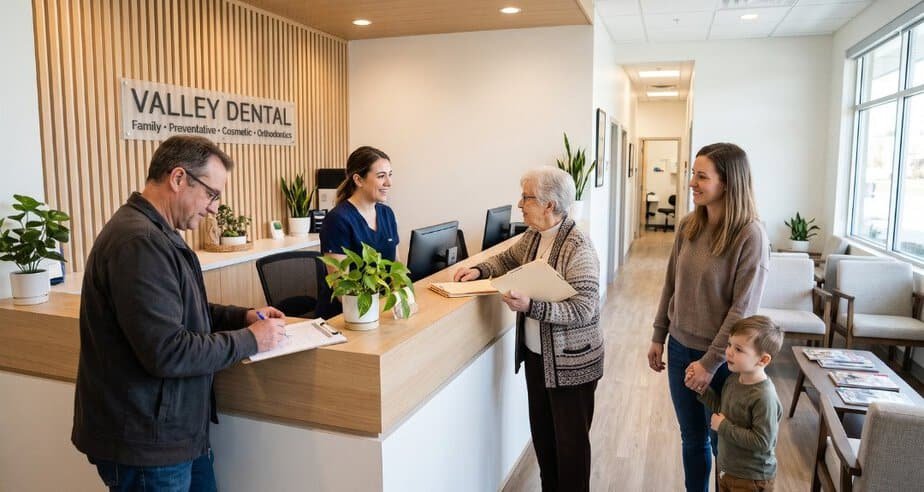
Your Life Has Changed, but Your Care Plan Has Not
A new job, pregnancy, medication, sleep issue, sports routine, or move to a drier climate can affect your oral health habits and risk factors. So can getting older. A care plan created several years ago may not reflect what your mouth needs now.
Adults who once needed only twice-yearly cleanings may later require more frequent periodontal maintenance. Parents may need a practice that can see multiple family members. Someone with dental anxiety may need a calmer environment, sedation options, or more time to discuss treatment before beginning.
Your dental office should make room for those changes rather than treating them as inconveniences. The right questions are practical: Can the office accommodate urgent pain? Are records and imaging easy to access? Can the team explain financing or membership options before treatment begins? Does the dentist listen when you describe discomfort or fear?
You Avoid Appointments Because the Experience Is Difficult
A practice may provide technically sound care but still fail to meet your needs if scheduling, communication, or comfort consistently creates barriers.
Long waits for appointments can turn a small cavity into a larger restoration. Limited office hours may make it difficult to address sudden pain. Unclear pricing can cause patients to postpone care because they are unsure what they will owe.
Pay attention to how the office handles basic communication. Staff should explain next steps, provide realistic scheduling information, and answer questions without making you feel rushed. If you have avoided dental care for months because every visit feels stressful or confusing, that is a meaningful warning sign.
A Better Fit Starts With a Thorough Conversation
Changing practices does not have to mean criticizing your previous dentist. It can simply reflect a change in your needs. Bring your records, list your concerns, and ask what the practice can manage directly.
A strong first visit should leave you with a clearer picture of your current oral health, available treatment choices, expected timing, and likely costs. When your dental practice can adjust as your life and health change, routine care becomes easier to maintain—and serious problems are less likely to remain hidden.
Read next: Dental Implant For Seniors
References:
Mohd Khairuddin, A. N., Bogale, B., Kang, J., & Gallagher, J. E. (2024). Impact of dental visiting patterns on oral health: A systematic review of longitudinal studies. BDJ Open, 10, 18. https://doi.org/10.1038/s41405-024-00195-7
Pereira Gray, D. J., Sidaway-Lee, K., White, E., Thorne, A., & Evans, P. H. (2018). Continuity of care with doctors—a matter of life and death? A systematic review of continuity of care and mortality. BMJ Open, 8(6), e021161. https://doi.org/10.1136/bmjopen-2017-021161
Al-Nasser, L., & Lamster, I. B. (2020). Prevention and management of periodontal diseases and dental caries in older adults. Periodontology 2000, 84(1), 69–83. https://doi.org/10.1111/prd.12338
Kinane, D. F., Stathopoulou, P. G., & Papapanou, P. N. (2017). Periodontal diseases. Nature Reviews Disease Primers, 3, 17038. https://doi.org/10.1038/nrdp.2017.38