Muscle pain, long work hours, and constant screen time shape daily life for many people. Touch-based care has held a place in human history as a response to these pressures. This article looks at massage as a practice, how it works, and why many people turn to it as part of regular self-care. You will also see how sessions vary, what research says, and how to approach massage with clear expectations.
A Brief Look at Massage Across History
Records from China, Egypt, and Greece describe forms of massage used thousands of years ago. These early practices focused on rubbing, pressing, and stretching the body. The goal centered on comfort, mobility, and balance.
In ancient Greece, athletes used massage before and after physical contests. Writings from Hippocrates mention rubbing as a method linked with health. Over time, massage spread through Europe and Asia with different styles shaped by culture and tradition.
Modern massage blends old methods with newer studies. Anatomy, physiology, and clinical research now guide how therapists work with muscles and connective tissue.
How Massage Works on the Body
Massage uses manual pressure to act on soft tissue. Soft tissue includes muscles, tendons, ligaments, and fascia. Fascia is a thin layer of connective tissue that surrounds muscles and organs.
When pressure is applied, several responses can happen:
- Blood flow increases in the area
- Muscles loosen after holding tension
- Nerve signals linked with pain can quiet down
- The nervous system shifts toward a calmer state
A study published in the Journal of Clinical Psychiatry noted lower stress markers in people who received regular massage. Researchers observed changes in cortisol levels, which relate to stress response.
Common Massage Styles Explained
Massage comes in many forms. Each style uses a different type of touch and pressure. Knowing the basics helps people choose sessions that match their needs.
Swedish Massage
This style uses long strokes, kneading, and circular movements. Pressure stays light to medium. Swedish massage often serves as an introduction for new clients.
Deep Tissue Massage
Deep tissue massage uses slower strokes and firmer pressure. The focus stays on deeper muscle layers. People with long-term muscle tightness often seek this style.
Sports Massage
Sports massage supports people who engage in physical training. Sessions focus on muscle groups used in a sport. Timing and technique vary based on activity level.
Trigger Point Therapy
Trigger points are tight knots within muscle fibers. This method applies direct pressure to these spots. The aim is to release tension and reduce referred pain.
The Role of the Nervous System
Massage affects more than muscles. The nervous system plays a large part in how the body reacts to touch. The parasympathetic nervous system supports rest and recovery.
Gentle pressure can slow heart rate and breathing. This shift helps the body move away from constant alert mode. Many people report better sleep patterns after sessions.
Dr. Tiffany Field from the Touch Research Institute has studied touch for decades. She states, “Massage therapy shows measurable effects on stress hormones and mood, even after short sessions.”
Physical and Mental Effects Linked with Massage
Research points to several effects tied to regular massage use. These effects vary based on frequency, style, and individual health status.
Physical effects often reported include:
- Reduced muscle stiffness
- Improved range of motion
- Less frequent tension headaches
- Faster recovery after exercise
Mental and emotional effects often reported include:
- Lower perceived stress
- Improved mood
- Better body awareness
- Greater sense of calm
A meta-analysis in Pain Medicine reviewed massage for chronic pain. Results showed modest pain relief and improved quality of life scores across several studies.
What a Typical Session Looks Like
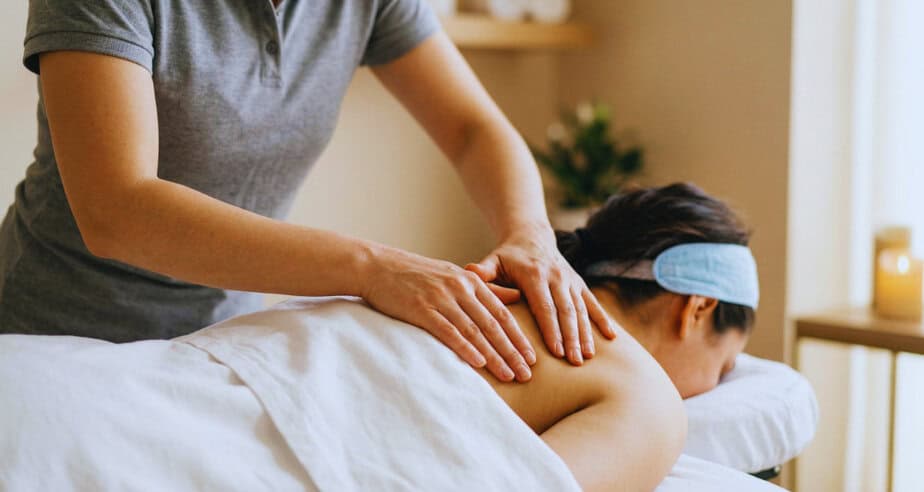
A session often begins with a short intake discussion. The therapist asks about pain areas, past injuries, and pressure preferences. This exchange helps guide the session.
The client then lies on a padded table. Sheets or towels cover the body, with only the worked area exposed. Oils or lotions reduce friction on the skin.
Sessions often last 60 to 90 minutes. Shorter sessions exist for targeted work on specific areas like the neck or shoulders.
Comparing Session Types and Goals
The table below shows how session goals link with massage styles.
| Session Goal | Common Style Used | Pressure Level |
| General relaxation | Swedish | Light to medium |
| Chronic muscle tension | Deep tissue | Medium to firm |
| Athletic recovery | Sports massage | Varies |
| Localized pain relief | Trigger point therapy | Firm |
This overview helps people align goals with technique.
Case Example: Office Work and Neck Pain
A common situation involves long hours at a desk. One case study in BMC Musculoskeletal Disorders followed office workers with neck pain. Participants received a weekly massage for eight weeks.
Results showed reduced pain scores and improved neck movement. Participants also reported fewer headaches. The study linked these changes with reduced muscle stiffness and improved circulation.
How Often People Receive Massages
Frequency depends on goals and lifestyle. Some people book sessions weekly for ongoing tension. Others schedule monthly visits for general care.
Shorter sessions between full-length appointments also serve people with tight schedules. These focus on high-tension areas like the shoulders or lower back.
Listening to body signals helps guide timing. Soreness, reduced movement, or ongoing stress often prompt booking a session.
Safety and Communication
Clear communication shapes a positive experience. Clients should share comfort levels and speak up about pressure at any point. Pain should not cross personal limits.
Licensed therapists follow hygiene and safety standards. People with medical conditions such as blood clots or recent surgery should speak with a healthcare provider before scheduling a massage.
Learning More and Exploring Options
Many resources explain massage science and technique. Books from anatomy educators and journals such as The International Journal of Therapeutic Massage & Bodywork offer deeper reading.
People curious about massage styles sometimes explore general information pages like St George massage as part of their learning process. This type of reading helps build familiarity with common terms and session formats.
Closing Thoughts and Next Steps
Massage remains a widely used practice with roots in human history and support from modern research. It works through muscle, nerve, and circulation responses that support comfort and ease. Understanding styles, session flow, and body responses helps people approach massage with confidence.
Readers who wish to learn more can explore academic journals, anatomy texts, or speak with licensed therapists. Education supports better choices and more satisfying experiences with touch-based care.
Read next: Osteopathic Manipulation Therapy in Musculoskeletal Care